Unlocking the Potential of Biochar: A Sustainable Solution for the Future
How Biochar Can Enhance Soil Health, Combat Climate Change, and Build a Sustainable Future

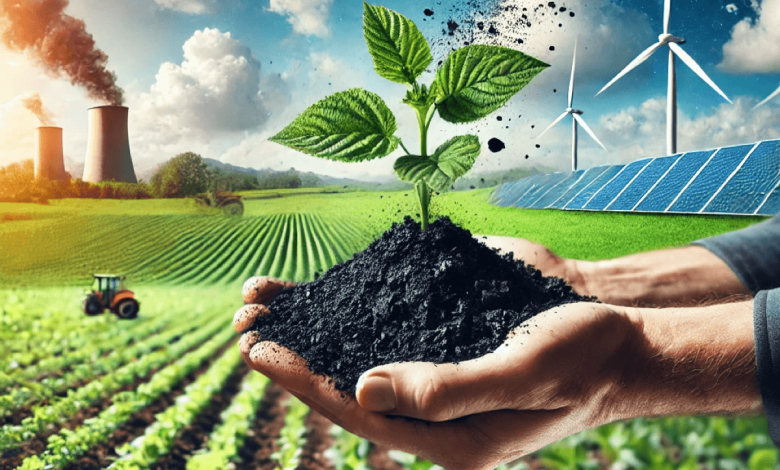
In an era where climate change and sustainability dominate global discourse, finding effective, eco-friendly solutions has become essential. One such promising innovation is biochar—a remarkable substance capable of improving soil health, boosting agricultural productivity, sequestering carbon, and reducing waste simultaneously. In this blog, we delve into the fascinating world of biochar, exploring what it is, its benefits, how it’s produced, and why it represents a major step forward in environmental management.
What Exactly is Biochar?
Biochar is essentially a charcoal-like substance produced through a controlled burning process called pyrolysis, in which organic matter—such as agricultural residues, wood chips, manure, and other biomass—is heated in a low-oxygen environment. This unique method results in a stable, carbon-rich material that can significantly enhance soil quality when added to agricultural land.
The Benefits of Biochar: Environmental and Agricultural
1. Carbon Sequestration
One of the greatest strengths of biochar lies in its ability to store carbon in a stable, long-lasting form. Instead of decomposing and releasing carbon dioxide back into the atmosphere, biochar locks carbon away in the soil for hundreds or even thousands of years, helping combat climate change and reduce greenhouse gas emissions.
2. Improved Soil Fertility
Biochar improves soil structure by increasing porosity, enhancing moisture retention, and promoting microbial activity. This leads to healthier plant growth, higher crop yields, and greater resilience against droughts and flooding.
3. Waste Reduction
Creating biochar transforms waste streams into valuable resources. Crop residues, forestry byproducts, and animal manure, which would otherwise be burned or disposed of inefficiently, become beneficial amendments to improve soils and support sustainable agriculture.
4. Pollution Mitigation
Biochar has an excellent capacity to adsorb and immobilize contaminants, including heavy metals and pesticides. It acts as a natural filtration mechanism, protecting water supplies and preventing harmful substances from entering the food chain.
How is Biochar Produced? Understanding Pyrolysis
Pyrolysis involves heating biomass at temperatures typically ranging from 300 to 700 degrees Celsius in conditions with limited oxygen. There are three main types of pyrolysis:
- Slow Pyrolysis: Occurs at lower temperatures over a longer period, producing more biochar and fewer gases.
- Fast Pyrolysis: Involves higher temperatures and short heating periods, yielding more bio-oil and fewer solid residues.
- Gasification: Uses even higher temperatures, primarily producing gases that can be used for energy production.
Slow pyrolysis is often preferred when the main objective is to maximize biochar output for agricultural use.
Practical Uses of Biochar
Biochar’s versatility extends beyond agriculture. Its applications include:
- Agricultural Amendment: Mixed directly into soils to enhance productivity.
- Water Treatment: Used in filtration systems to remove pollutants.
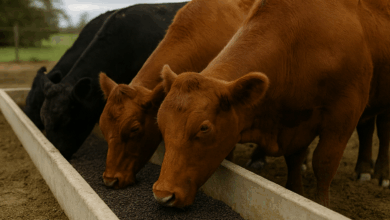
- Animal Feed Supplement: Enhances animal health and reduces greenhouse gases produced by livestock.
- Construction Material: Incorporated into building materials for improved insulation and reduced carbon footprints.
Challenges and Future Prospects
While biochar offers many advantages, scaling its production and utilization still faces challenges, such as:
- Ensuring consistent quality and standards for biochar.
- Developing sustainable and economically viable pyrolysis technologies.
- Educating farmers and stakeholders about its benefits and usage.
Nevertheless, ongoing research, supportive policy environments, and increased awareness are paving the way for widespread adoption.
Why Biochar Matters: A Sustainable Path Forward
Adopting biochar practices aligns with numerous global goals, including climate mitigation, food security, waste management, and environmental conservation. Its multifaceted potential positions biochar as a powerful tool for building more resilient, sustainable agricultural systems and mitigating climate impacts.
By investing in biochar solutions today, we contribute significantly towards a healthier planet tomorrow.
Conclusion: Harnessing Nature’s Potential
Biochar isn’t merely an agricultural amendment—it’s a gateway towards a sustainable future. Leveraging its multiple benefits, from carbon sequestration to soil enrichment and waste management, provides practical pathways toward mitigating climate change, enhancing food security, and fostering ecological balance.
As we continue exploring this remarkable material, biochar stands ready to play a central role in reshaping our relationship with the planet, proving that sustainable solutions are indeed within our grasp.
Ready to explore biochar further or incorporate it into your practices? Reach out to experts, join sustainability movements, and stay informed—your involvement can make a substantial difference for our planet and future generations.