Biochar in Agricultural Livestock: Improving Animal Health and Farm Sustainability
Discover how biochar enhances animal health, improves manure management, and reduces methane emissions. Learn how this sustainable solution benefits both farms and the environment.

The agricultural livestock industry faces growing pressure to adopt sustainable practices, enhance animal health, and minimize environmental impact. Biochar, widely recognized for its soil-enhancing capabilities, is now emerging as a powerful supplement in livestock farming. In this post, we’ll explore the applications, usage methods, and remarkable benefits biochar brings to livestock agriculture.
Understanding Biochar in Livestock Farming
Biochar is a stable, porous, carbon-rich material derived from biomass through pyrolysis—a heating process with limited oxygen. Traditionally known for improving soil health, biochar’s remarkable properties also make it highly beneficial when integrated into livestock farming systems.
Applications of Biochar in Livestock Farming
Biochar usage in animal husbandry spans several areas, offering significant advantages for farmers and livestock:
1. Feed Supplement
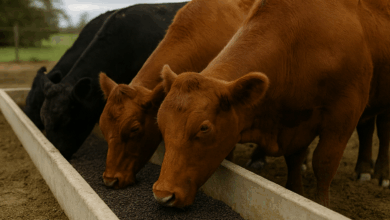
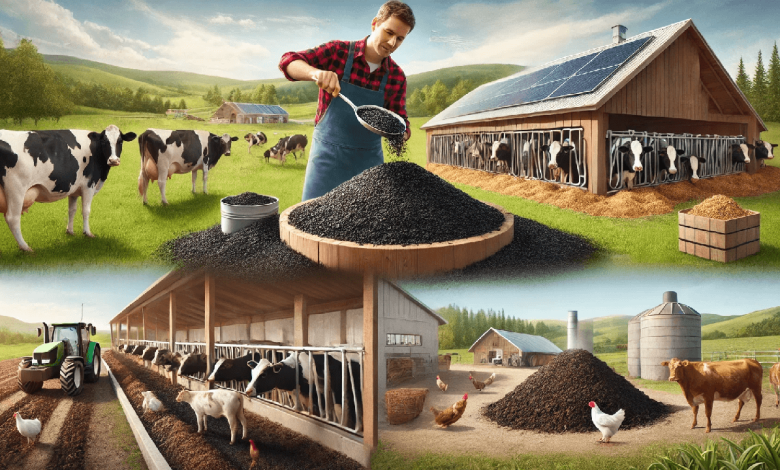
Biochar is increasingly used as a dietary additive for livestock, including cattle, poultry, pigs, and sheep. Small amounts mixed into feed can enhance digestion, nutrient absorption, and overall animal health.
2. Bedding Material
Biochar can be added to bedding materials, helping control moisture, reduce odors, and improve sanitation within animal housing environments, enhancing overall animal welfare.
3. Manure Management
When mixed with manure, biochar helps stabilize nutrients, reduce odors, and minimize methane emissions. This enriched manure becomes an effective, high-value fertilizer when applied to soils.
Key Benefits of Using Biochar in Livestock Agriculture
Incorporating biochar into livestock operations offers multiple, practical benefits:
1. Improved Animal Health
Biochar supports digestion, enhances gut health, and reduces disease incidents. It helps prevent digestive issues and improves overall livestock productivity and health.
2. Environmental Sustainability
Biochar significantly reduces greenhouse gas emissions from livestock operations, especially methane. It also facilitates sustainable manure management practices, preventing nutrient runoff into waterways.
3. Increased Economic Returns
Healthier animals, reduced disease rates, improved sanitation, and effective manure utilization ultimately lower operational costs and increase overall farm profitability.
Biochar’s Role in Carbon Sequestration and Sustainability
The integration of biochar in livestock systems actively contributes to climate change mitigation:
- Carbon Sequestration: Biochar locks carbon in stable forms within manure and subsequently soil, reducing atmospheric carbon dioxide.
- Reduced Methane Emissions: Biochar’s integration in manure significantly cuts down methane production, a potent greenhouse gas produced by livestock manure.
Practical Usage Guidelines
Biochar can be integrated practically and efficiently into livestock operations by:
- Feed Inclusion: Gradually introducing small amounts (typically 0.5%-2% of daily feed) to animal diets.
- Bedding Applications: Using biochar as bedding or mixed into existing bedding to improve hygiene, reduce odors, and manage moisture.
- Manure Treatment: Incorporating biochar directly into manure pits or compost piles to stabilize nutrients, reduce odors, and enhance manure quality.
Challenges and Considerations
While biochar has numerous advantages, there are important factors to consider:
- Quality Standards: Always select high-quality, certified biochar, free from harmful contaminants.
- Optimal Dosage: Understanding the correct dosage for different livestock types ensures maximum effectiveness and cost-efficiency.
- Initial Investment: Adopting biochar practices may require upfront investments, but these costs are usually offset through long-term benefits and increased operational efficiency.
The Future Outlook
As the livestock industry continues to seek sustainable solutions to environmental and economic challenges, biochar adoption is likely to accelerate. Growing global awareness, backed by research and policy support, will further integrate biochar into livestock operations worldwide.
Biochar’s dual ability to improve animal health and enhance environmental sustainability positions it as a valuable tool in shaping the future of agricultural livestock husbandry.
Conclusion: A Sustainable Solution for Animal Agriculture
Incorporating biochar into livestock management practices represents a strategic step towards more sustainable, profitable, and eco-friendly agriculture. Its multi-dimensional benefits—ranging from improved animal health and manure management to reduced environmental impact—make biochar a compelling choice for modern livestock operations.
Transform your farm’s sustainability, productivity, and profitability.