Biochar’s Potential in CO₂ Sequestration: A Game-Changer for Climate Action
Recent studies highlight biochar’s ability to store billions of tons of CO₂, positioning it as a crucial tool in climate change mitigation.

Biochar Emerges as a Vital Tool for CO₂ Sequestration
In the quest to mitigate climate change, biochar has garnered significant attention for its capacity to sequester carbon dioxide (CO₂) emissions effectively. Recent studies and industry reports highlight biochar’s potential to lock away billions of tons of CO₂, positioning it as a crucial component in global carbon removal strategies.
Understanding Biochar and Its Carbon Sequestration Potential
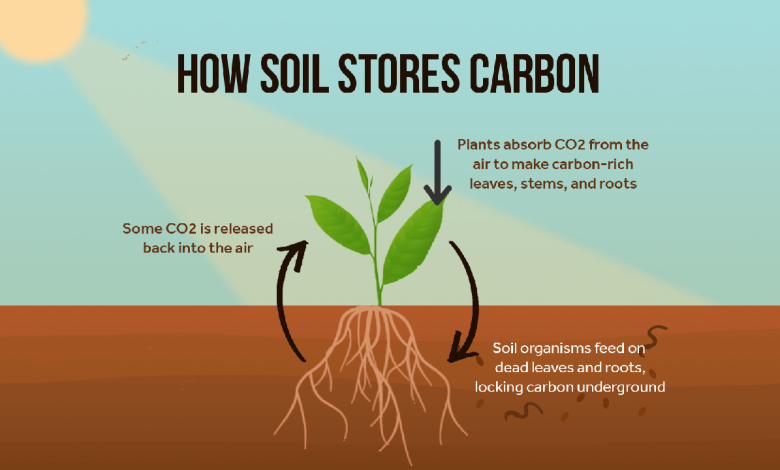
Biochar is a stable, carbon-rich material produced through the pyrolysis of organic biomass, such as agricultural residues, in an oxygen-limited environment. When incorporated into soils, biochar can persist for centuries, effectively sequestering carbon that would otherwise return to the atmosphere as CO₂. This characteristic makes it a promising tool for long-term carbon storage.
A comprehensive review published in the Journal of Cleaner Production indicates that biochar has a global carbon sequestration potential ranging from 0.2 to 6.6 gigatons of CO₂ equivalent per year. This wide range underscores the scalability of biochar applications in various environmental and agricultural contexts.
Recent Findings and Industry Developments
- Enhanced Soil Carbon Storage: A study by researchers from Shanghai Jiao Tong University, published in Nature, demonstrated that biochar amendments not only sequester carbon directly but also enhance the soil’s capacity to absorb additional atmospheric CO₂. This dual function amplifies biochar’s role in climate change mitigation.
- Corporate Initiatives: Major corporations are recognizing biochar’s potential. In January 2025, Google signed a notable agreement with Indian supplier Varaha to purchase carbon credits derived from converting agricultural waste into biochar. This initiative aims to sequester 100,000 tons of CO₂ by 2030, marking Google’s first foray into India’s carbon removal sector.
Global and Regional Projections
The European Biochar Industry Consortium (EBI) estimates that biochar production within the European Union could sequester 6 million tons of CO₂ by 2030, with the potential to exceed 100 million tons by 2040. This projection reflects the growing emphasis on biochar as a viable carbon removal strategy in Europe.
Moreover, a global assessment highlighted that twelve countries have the technical potential to sequester over one-fifth of their current emissions through biochar derived from crop residues. Notably, Bhutan and India could offset 68% and 53% of their emissions, respectively, showcasing biochar’s significant impact in these regions.
Challenges and Considerations
While the prospects of biochar are promising, several challenges need addressing:
- Standardization: Developing consistent methods for assessing biochar’s carbon stability is crucial to ensure its effectiveness as a carbon sink.
- Economic Viability: Scaling biochar production requires substantial investment. However, as carbon markets evolve and the demand for carbon credits rises, biochar projects are becoming more financially attractive.
- Environmental Impact: Ensuring that biochar production does not compete with food production or lead to deforestation is vital for its sustainable implementation.
Conclusion
Biochar stands out as a multifaceted solution in the fight against climate change, offering a means to sequester CO₂ effectively while enhancing soil health and agricultural productivity. As research advances and industry adoption grows, biochar is poised to play an increasingly significant role in global carbon sequestration efforts.
Sources:
- Comparative analysis of biochar carbon stability methods and their implications: A review
- Beyond Sequestration, Biochar Enables Soil To Further Sorb Atmospheric CO₂
- CO₂ sequestration: is biochar the obvious candidate?
- Potential for biochar carbon sequestration from crop residues: A global spatially explicit assessment
Note: This post incorporates findings from recent studies and industry developments to provide a comprehensive overview of biochar’s potential in CO₂ sequestration.