Transforming Coffee Waste into Stronger, Greener Concrete with Biochar
Researchers use biochar from coffee waste to enhance concrete strength, cut cement use, and reduce environmental impact in construction.

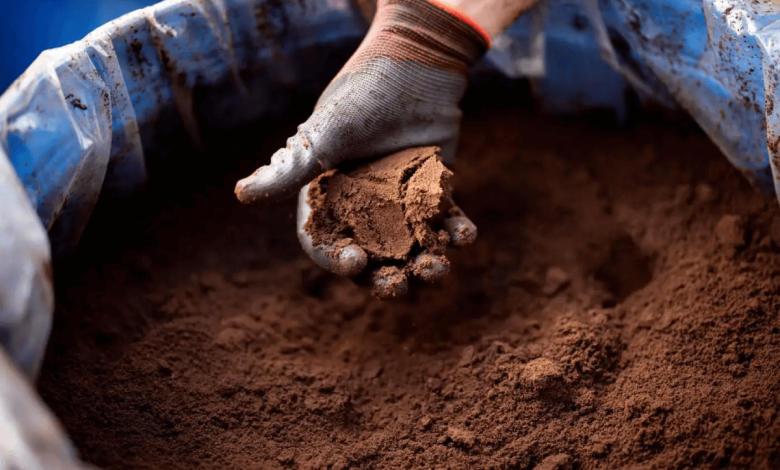
Researchers at RMIT University in Melbourne, Australia, have developed an innovative method to enhance concrete strength by incorporating biochar derived from used coffee grounds. This approach not only addresses the environmental challenges of organic waste disposal but also contributes to more sustainable construction practices.
Transforming Coffee Waste into Biochar
Australia generates approximately 75,000 tons of coffee waste annually, much of which ends up in landfills, emitting greenhouse gases like methane and carbon dioxide. To mitigate this, RMIT engineers have employed pyrolysis—a process of heating organic material in the absence of oxygen—to convert spent coffee grounds into biochar. By heating the grounds to 350°C, they produced a carbon-rich material suitable for enhancing concrete.
Enhancing Concrete Strength and Sustainability
Incorporating coffee-derived biochar into concrete mixtures has yielded remarkable results:
- Increased Strength: The modified concrete exhibited a 30% increase in strength compared to conventional mixes.
- Sand Replacement: Biochar can replace up to 15% of the sand typically used in concrete production, alleviating the environmental impact of sand mining.
- Cement Reduction: The enhanced strength allows for a 10% reduction in cement usage, thereby decreasing the carbon footprint associated with cement production.
Environmental and Practical Implications
This innovation offers several environmental benefits:
- Waste Reduction: Repurposing coffee waste into biochar diverts significant amounts of organic material from landfills, reducing methane emissions.
- Resource Conservation: Replacing sand with biochar helps preserve natural sand reserves, addressing concerns over unsustainable sand extraction.
- Lower Emissions: Reducing cement content in concrete mixtures contributes to lower CO₂ emissions, as cement production is a major greenhouse gas emitter.
Field Applications and Future Prospects
The practical application of this technology has already begun:
- Pilot Projects: The Macedon Ranges Shire Council near Melbourne utilized coffee biochar-enhanced concrete in a footpath construction, demonstrating its viability.
- Industry Collaboration: Discussions are underway with construction firms and coffee chains, such as Starbucks, to expand the use of coffee-derived biochar in building projects.
This approach exemplifies a circular economy model, transforming waste into valuable resources and paving the way for more sustainable construction practices worldwide.
Sources: