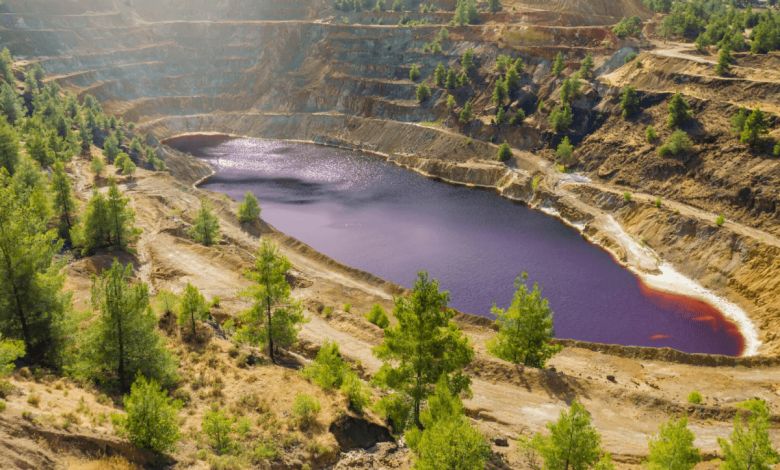
Mining activities often leave behind degraded landscapes with contaminated soils, posing significant challenges for ecological restoration. Recent advancements suggest that biochar—a carbon-rich product derived from biomass pyrolysis—offers promising solutions for rehabilitating these disturbed environments.
Enhancing Soil Quality and Stability
Biochar’s porous structure and high surface area enable it to improve soil properties, which is crucial for mine site rehabilitation:
- Water Retention: Incorporating biochar into mine-affected soils has been shown to increase water holding capacity by 90% to 180%, facilitating better vegetation establishment.
- Soil Structure: The addition of biochar can enhance soil aggregation, reducing erosion and promoting root penetration, essential for stabilizing reclaimed mine lands.
Promoting Vegetation Growth
Successful revegetation is a cornerstone of mine site rehabilitation. Biochar contributes to this goal by:
- Seed Germination: Studies have reported faster seed emergence and increased sprout length—up to 670% longer—when biochar is applied, compared to untreated soils.
- Plant Biomass: The use of biochar has led to a 192% increase in above-ground biomass on acidic mine soils, indicating robust plant growth.
Case Studies and Applications
Practical implementations of biochar in mine rehabilitation include:
- Abandoned Mine Lands in the Western U.S.: The U.S. Forest Service is developing tools to select appropriate biochar types and application rates for restoring diverse soils and ecosystems affected by abandoned mines.
- Coal Mine Spoil Reclamation: Research indicates that biochar produced at 450 °C from lignocellulosic biomass can effectively reclaim coal mine spoil, improving soil properties and supporting vegetation growth.
Conclusion
Integrating biochar into mine site rehabilitation strategies presents a sustainable approach to restoring ecosystems degraded by mining activities. Its ability to improve soil quality, reduce contamination, and promote vegetation growth makes biochar a valuable tool in environmental restoration efforts.
Sources:
- Biochar for Mine Lands Remediation – Mountain Studies Institute
- Increasing biochar use and production for abandoned mine land restoration – U.S. Forest Service
- Biochar as a potential strategy for remediation of contaminated mining soils – ScienceDirect
- Review: Can biochar reclaim coal mine spoil? – ScienceDirect