BiocharHorticultureNewsPyrolysis
Biochar in Horticulture: Enhancing Plant Health for Home Gardeners
Exploring how home gardeners can utilize biochar to improve soil quality, boost plant growth, and promote sustainable gardening practices.

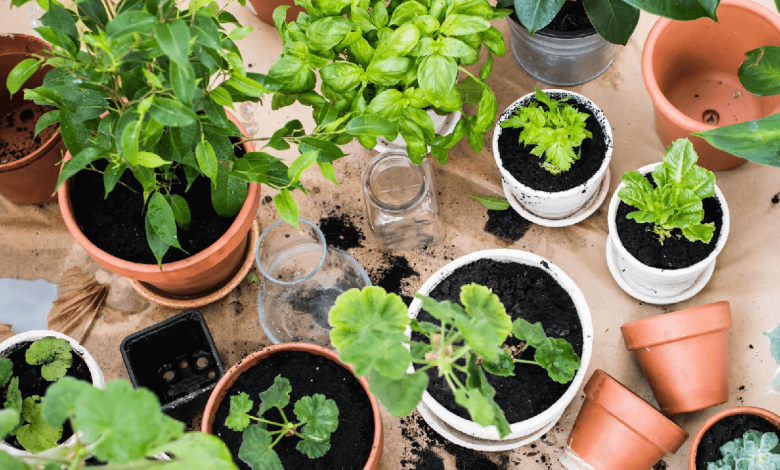
Biochar, a carbon-rich material produced through the pyrolysis of organic matter, is gaining popularity among home gardeners for its potential to enhance soil health and plant growth. Incorporating biochar into gardening practices offers several benefits that contribute to more sustainable and productive gardens.
Benefits of Biochar in Home Gardens
- Improved Soil Structure and Fertility Biochar’s porous nature enhances soil aeration and structure, creating an optimal environment for root development. It also serves as a habitat for beneficial soil microorganisms, which play a crucial role in nutrient cycling and overall soil health. This symbiotic relationship leads to improved soil fertility and plant vitality.
- Enhanced Nutrient Retention One of the notable properties of biochar is its ability to retain nutrients, such as nitrogen, preventing them from leaching away. This ensures that essential nutrients remain available to plants over extended periods, reducing the need for frequent fertilization and promoting sustainable gardening practices.
- Increased Water Holding Capacity The porous structure of biochar allows it to retain water effectively, making it particularly beneficial in sandy soils that drain quickly. By improving the soil’s water-holding capacity, biochar helps maintain consistent moisture levels, reducing the frequency of watering and supporting plant health during dry periods.
- pH Regulation Biochar can help neutralize acidic soils, creating a more favorable pH balance for a wide range of plants. This adjustment can lead to better nutrient availability and uptake, contributing to healthier plant growth.
Considerations for Home Gardeners
- Pre-Charging Biochar Before adding biochar to the garden, it’s advisable to “pre-charge” it by mixing with compost or soaking in a nutrient-rich solution. This process infuses biochar with nutrients and beneficial microbes, preventing it from temporarily absorbing nutrients from the soil upon application.
- Application Rates Moderation is key when applying biochar. Excessive amounts can alter soil pH and potentially harm soil biota. It’s recommended to start with small quantities and observe plant responses, adjusting as necessary to achieve optimal results.
Conclusion
Integrating biochar into home gardening practices offers a sustainable approach to improving soil health, enhancing plant growth, and promoting environmental stewardship. By understanding its benefits and proper application methods, gardeners can harness the potential of biochar to create thriving, resilient gardens.
Sources: