Arigna Group: Transforming Olive Pits into Sustainable Biochar
In a remarkable transition from traditional coal mining to sustainable energy production, Ireland’s Arigna Group has pioneered the conversion of olive pits into biochar, offering an eco-friendly alternative to fossil fuels and contributing to carbon sequestration efforts.
From Coal Mining to Renewable Energy
For over a century, the Layden family operated coal mines in the Arigna hills of County Roscommon. Anticipating the decline of fossil fuels, they diversified into renewable energy, investing in wind farms and exploring biomass conversion technologies.
Innovative Use of Olive Pits
After experimenting with various biomass materials, including coffee grounds and straw, Arigna identified olive pits as an ideal feedstock for biochar production. These pits, by-products of the olive oil industry, are abundant and often discarded as waste.
The Biochar Production Process
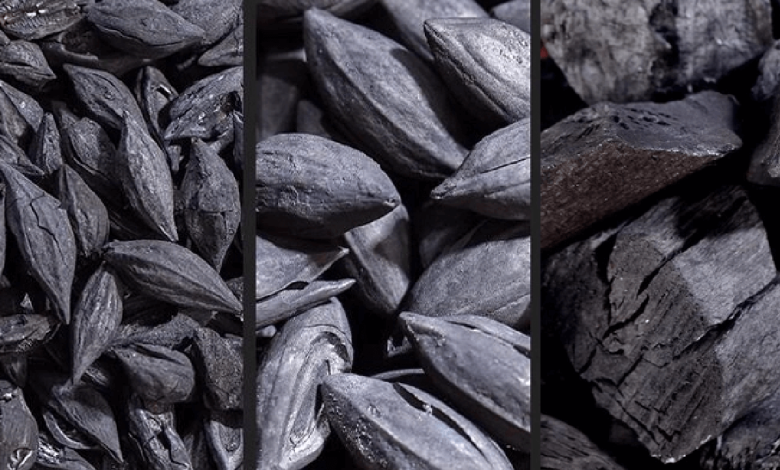
The olive pits are sourced from Portugal, milled, and transported to Arigna’s facility in Ireland. There, they undergo pyrolysis—a process of heating organic material in the absence of oxygen—to produce biochar. The resulting product closely resembles traditional smokeless coal and is marketed under the brand name Harvest Flame.
Environmental and Economic Benefits
Harvest Flame offers consumers a renewable biofuel option comparable in price to conventional smokeless coal. Its adoption supports waste reduction by utilizing olive pits that would otherwise go to landfill and aids in carbon sequestration, as biochar can lock carbon into the soil for extended periods.
Future Prospects
Arigna Group’s innovative approach exemplifies how traditional industries can adapt to sustainable practices, turning waste into valuable resources and contributing positively to environmental conservation.