Bio-oil: Exploring the Valuable Byproduct of Biochar Production
Unlocking Renewable Energy and Sustainability Through Biomass Pyrolysis.

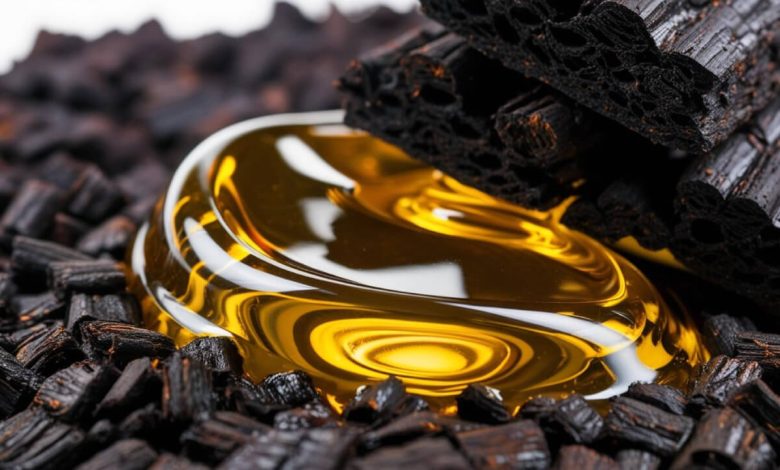
When discussing biochar, the conversation often focuses on its remarkable benefits for soil health and carbon sequestration. But there’s another valuable product formed during biochar production—bio-oil, generated through the pyrolysis process. In this blog, we’ll uncover what bio-oil is, its production alongside biochar, and how it contributes to environmental sustainability and renewable energy solutions.
Understanding Pyrolysis: Beyond Biochar
Pyrolysis—the process behind biochar—entails heating organic biomass (like wood chips, agricultural waste, or manure) in a low-oxygen environment. This thermal decomposition breaks down the biomass, creating three distinct products:
- Biochar (solid)
- Bio-oil (liquid)
- Syngas (gas)
Bio-oil represents an underutilized, yet highly promising renewable energy resource.
What is Bio-oil?
Bio-oil is a dark, viscous liquid derived from the rapid condensation of vapor produced during biomass pyrolysis. Its composition includes a complex mix of organic compounds, such as phenols, aldehydes, acids, sugars, and hydrocarbons. Although it differs chemically from traditional fossil-derived oils, bio-oil offers significant potential as a renewable fuel or chemical feedstock.
Benefits of Bio-oil in the Sustainability Context
1. Renewable Energy Source
Bio-oil can be used as a clean-burning alternative fuel, reducing dependency on fossil fuels. It’s an excellent feedstock for boilers, generators, or turbines, contributing to renewable energy production and reduced carbon emissions.
2. Reduced Waste
Converting biomass waste into bio-oil reduces open burning, preventing pollution and conserving natural resources. By turning agricultural and forestry residues into valuable energy sources, bio-oil supports circular economy principles.
2. Economic Opportunities
Bio-oil production from biomass residues generates economic value from materials that are often treated as waste. It supports local economies by providing sustainable, renewable fuel sources and potentially creating green jobs.
3. Versatile Chemical Uses
Beyond energy, bio-oil serves as a chemical intermediate in industries producing solvents, resins, fertilizers, and even bioplastics, further enhancing sustainability across various sectors.
Production of Bio-oil through Pyrolysis
Bio-oil production efficiency depends largely on pyrolysis conditions, which include:
- Fast Pyrolysis: Yields the highest quantity of bio-oil. Biomass is heated rapidly (450-600°C) with minimal oxygen, leading to quick vaporization and condensation into bio-oil.
- Slow Pyrolysis: Primarily used to maximize biochar yield, but also produces bio-oil as a secondary product.
Depending on the desired output—more biochar or bio-oil—the pyrolysis process can be adjusted accordingly.
Challenges in Using Bio-oil
Despite its potential, bio-oil has certain limitations that require addressing:
- High Acidity: Bio-oil can be acidic, posing storage and corrosion challenges.
- Stability: Requires further refining for longer-term storage and consistent performance.
- Infrastructure Needs: Adaptation of existing energy infrastructures for bio-oil use.
Research continues to address these challenges, improving bio-oil’s practicality as a renewable energy source.
The Future of Bio-oil and Biochar
Integrating biochar production with bio-oil utilization creates a holistic, circular solution: converting biomass residues into soil-enhancing biochar, renewable energy, and valuable chemical products simultaneously. Advancements in pyrolysis technology, policy support, and increased global demand for sustainable resources are rapidly paving the way for broader adoption.
By harnessing both biochar and bio-oil, we can build more resilient agricultural systems, mitigate climate change, and foster an environmentally balanced future.
Conclusion: A Dual Sustainability Advantage
Pyrolysis does more than produce biochar—it creates an opportunity to harness valuable renewable energy and chemical products through bio-oil. As awareness increases and technologies evolve, bio-oil stands to become an integral component of global sustainability strategies, driving us toward a cleaner, greener, and more sustainable tomorrow.
Let’s embrace pyrolysis and its beneficial byproducts, including bio-oil, as essential components in our global sustainability journey.
