Enhancing Urban Green Spaces with Biochar: Boosting Soil Quality in City Parks and Gardens
Exploring the benefits of integrating biochar into urban green spaces to improve soil health, promote plant growth, and enhance environmental sustainability.

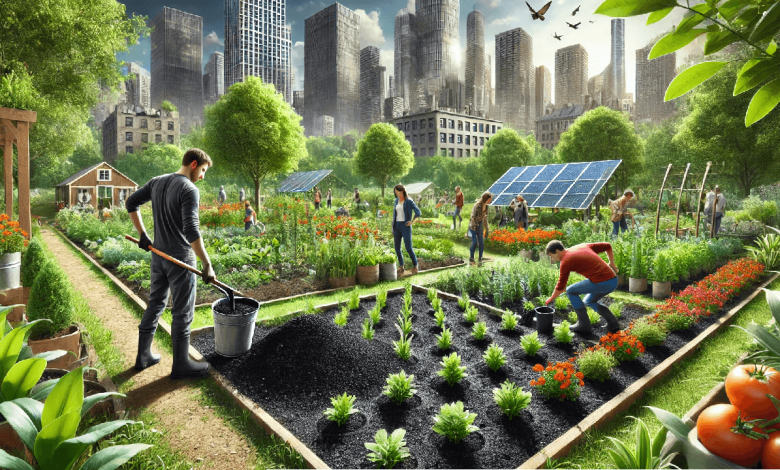
Urban green spaces, including city parks and gardens, are essential for enhancing the quality of life in urban environments. They provide recreational areas, improve air quality, and support biodiversity. However, maintaining healthy soil in these areas can be challenging due to factors like soil compaction, contamination, and limited organic matter. Integrating biochar into urban soils has emerged as a promising solution to these challenges, offering multiple benefits for soil quality and overall ecosystem health.
Benefits of Biochar in Urban Soils
- Improved Soil Structure and Fertility Biochar’s porous nature enhances soil aeration and water retention, crucial for plant growth in compacted urban soils. It also increases soil organic carbon (SOC) and nutrient content, promoting healthier plant development.
- Enhanced Water Retention The high porosity of biochar allows it to retain water effectively, reducing the need for frequent irrigation in urban landscapes. This is particularly beneficial in areas prone to drought or with limited water resources.
- Carbon Sequestration Incorporating biochar into urban soils contributes to carbon sequestration efforts, helping mitigate climate change by storing carbon in a stable form for extended periods.
- Reduction of Soil Contaminants Biochar can immobilize heavy metals and organic pollutants, reducing their bioavailability and mitigating soil contamination issues common in urban areas.
- Support for Soil Microbial Activity The application of biochar has been shown to stimulate beneficial soil microbial activity, enhancing nutrient cycling and overall soil health.
Practical Applications in Urban Settings
- Urban Tree Health Biochar amendments can improve soil conditions for urban trees, leading to better growth and resilience. This includes enhancing drainage, pH balance, and fertility, which are often limiting factors in urban soils.
- Green Roofs and Gardens Incorporating biochar into the soil mix of green roofs and urban gardens can improve plant survival rates by enhancing soil quality and moisture retention. This practice supports urban biodiversity and contributes to aesthetic and environmental benefits.
Case Study: Carbon-Positive Urban Gardening
In the Blue Mountains suburb, gardeners have adopted carbon-positive practices by integrating biochar into their soil management routines. This approach enhances soil carbon content, improves fertility, and supports sustainable urban gardening initiatives.
Conclusion
Integrating biochar into urban green spaces presents a sustainable strategy to enhance soil quality, support plant health, and contribute to environmental sustainability. As cities seek to improve their green infrastructure, biochar offers a practical solution to many soil-related challenges, fostering healthier and more resilient urban ecosystems.
Sources: