Biochar's Effectiveness in Odor Control: Mitigating Odors in Waste Management Practices
Investigating how biochar can mitigate odors in waste management, enhancing environmental quality and community well-being.

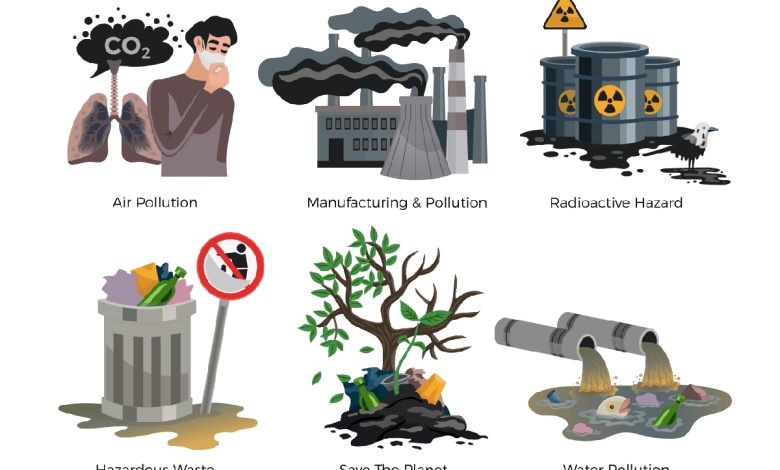
Odor emissions from waste management processes pose significant environmental and public health challenges. Traditional waste treatment methods often release malodorous compounds, leading to community discomfort and potential health risks. Biochar, a carbon-rich material produced through the pyrolysis of organic biomass, has emerged as a promising solution for odor mitigation in various waste management scenarios.
Mechanisms of Odor Mitigation
Biochar’s effectiveness in odor control is primarily attributed to its unique physicochemical properties:
- High Surface Area and Porosity: These characteristics enable biochar to adsorb volatile organic compounds (VOCs) and other odor-causing substances effectively.
- Chemical Functional Groups: The presence of various functional groups on biochar’s surface facilitates the binding of odor molecules, enhancing its adsorption capacity.
Applications in Waste Management
Biochar has been integrated into several waste management practices to mitigate odors:
- Composting: Amending compost with biochar has been shown to reduce emissions of ammonia (NH₃) and hydrogen sulfide (H₂S), common odorants in composting operations. This not only minimizes odor but also enhances nutrient retention, improving compost quality.
- Wastewater Treatment: Biochar effectively adsorbs odorants such as NH₃ and H₂S from wastewater, contributing to improved air quality in treatment facilities.
- Livestock Manure Management: Applying biochar as a cover for manure lagoons has resulted in significant reductions in NH₃ emissions, thereby decreasing odor and capturing valuable nutrients.
Recent Developments
Innovative applications of biochar in odor control continue to emerge:
- Engineered Biochar Cocktails: Researchers are developing tailored biochar blends to enhance the capture of specific gaseous emissions during composting, thereby improving odor management.
- Commercial Adoption: Companies like Biochar Now are promoting biochar’s use in various odor control applications, including composts, manures, and landfills, highlighting its versatility and effectiveness.
Challenges and Considerations
While biochar presents a sustainable approach to odor mitigation, several factors must be considered:
- Feedstock and Production Conditions: The efficacy of biochar in odor control is influenced by the type of biomass used and the pyrolysis conditions, which affect its surface area, porosity, and functional groups.
- Regulatory and Community Acceptance: Implementing biochar-based odor control strategies requires compliance with environmental regulations and addressing public perceptions to ensure community support.
Conclusion
Biochar offers a sustainable and effective solution for odor control in waste management practices. Its unique properties enable the adsorption of various odor-causing compounds, enhancing environmental quality and community well-being. Ongoing research and development are expected to optimize biochar applications, further solidifying its role in sustainable waste management strategies.
Sources:
- Reduction of odor-causing compounds in wastewater using biochar
- Biochar as a Sustainable Product for the Removal of Odor Emissions
- Investigation of biochar amendments on odor reduction and their impact on composting
- Development of Engineered Biochar Cocktails for Odor Removal in Composting Facilities
- Biochar as a cover for dairy manure lagoons: reducing odor and gas emissions
- Odor Control – Biochar Now
- Abatement of odor emissions from wastewater treatment plants using biochar
- Efficacy of Different Biochars in Removing Odorous Volatile Organic Compounds from Swine Manure