Biochar in Agriculture: Enhancing Soil, Fertility, and Sustainability
Discover how biochar improves soil health, increases crop yields, and enhances water retention. Learn how this carbon-rich amendment supports sustainable farming and climate resilience.

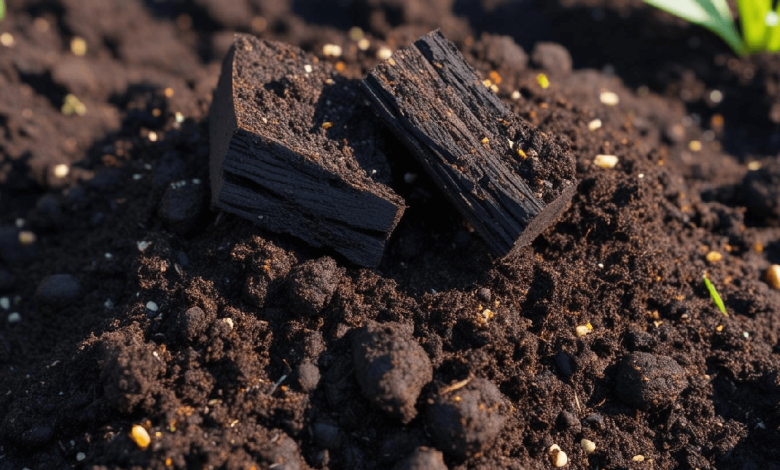
The agriculture industry faces ongoing challenges such as declining soil fertility, climate change pressures, and the need to produce more food sustainably. One innovative solution addressing these challenges is Biochar—a powerful, carbon-rich soil amendment that has the potential to transform agricultural practices. In this post, we explore Biochar’s application in agriculture, its practical uses, and the numerous benefits it offers farmers, crops, and our planet.
Understanding Biochar
Biochar is produced through pyrolysis, a process involving heating organic biomass (such as crop residues, manure, or wood waste) in an environment with limited oxygen. This process yields a stable, porous charcoal-like substance rich in carbon, ideal for agricultural applications.
Applications of Biochar in Agriculture
1. Soil Amendment
Biochar is extensively used as a soil amendment to restore soil health and productivity. Its porous structure helps:
- Increase water retention: Biochar acts like a sponge, improving soil moisture availability for plants and reducing water stress, particularly in drought-prone regions.
- Enhance nutrient availability: It retains essential nutrients such as nitrogen, phosphorus, and potassium, releasing them slowly and sustainably to plant roots.
- Improve soil structure: Biochar reduces soil compaction, increases aeration, and promotes beneficial microbial activity, creating healthier soils for crops.
2. Carbon Sequestration
Agriculture significantly contributes to greenhouse gas emissions. However, biochar provides a practical method for carbon sequestration:
- Long-term carbon storage: When biochar is added to soil, carbon is locked away for hundreds to thousands of years, substantially reducing atmospheric CO₂ levels.
- Climate mitigation: Utilizing biochar actively contributes to global climate goals, making agriculture a key player in carbon reduction efforts.
3. Fertilizer Production and Enhancement
Biochar also serves as an excellent carrier material for fertilizers:
- Reduced nutrient leaching: Biochar’s high surface area and adsorption capabilities prevent fertilizers from leaching into groundwater, improving nutrient use efficiency.
- Enhanced fertilizer effectiveness: Combining biochar with fertilizers leads to improved crop yields, reduced fertilizer usage, and lower environmental impact.
Practical Benefits of Biochar in Agriculture
Farmers using biochar typically experience numerous tangible advantages, including:
1. Improved Crop Yields
Healthier soils mean stronger, more resilient crops. Studies indicate biochar-enhanced soils typically produce higher crop yields and superior plant quality.
2. Cost Reduction
By reducing dependency on chemical fertilizers and irrigation, biochar significantly cuts down input costs, improving overall profitability for farmers.
3. Enhanced Drought Resistance
Biochar increases soil’s water-holding capacity, enabling crops to better withstand periods of drought and irregular rainfall patterns.
4. Reduced Environmental Impact
Biochar mitigates greenhouse gas emissions, improves soil health, and decreases chemical runoff into waterways, supporting more sustainable farming practices.
How to Apply Biochar in Agriculture
Integrating biochar into farming practices is straightforward:
- Direct Soil Incorporation: Mix biochar directly into soil at planting, optimizing nutrient and water retention benefits.
- Composting: Combine biochar with compost to create nutrient-rich, microbial-active amendments.
- Seed Treatment: Coating seeds with biochar mixtures improves germination rates and seedling vigor.
Challenges and Considerations
Although biochar has numerous advantages, farmers should be aware of certain considerations:
- Quality and Source: Biochar quality varies based on biomass type and pyrolysis conditions, so sourcing from verified suppliers is important.
- Application Rates: Determining optimal application rates is crucial to maximize effectiveness and cost-efficiency.
- Initial Investment: While cost-effective in the long term, initial investments in biochar application may require upfront costs.
The Future of Biochar in Agriculture
The widespread adoption of biochar can lead agriculture towards greater sustainability, resilience, and productivity. Research and policy initiatives globally are increasingly supporting biochar usage, making this powerful amendment a central component in sustainable agriculture strategies worldwide.
Conclusion: Embrace Biochar for Sustainable Farming
Biochar is not merely a soil amendment—it’s an essential tool for building sustainable agriculture systems, improving soil health, sequestering carbon, and enhancing crop productivity. By integrating biochar into your farming practices, you can address environmental concerns, boost yields, and significantly improve farm sustainability.
Take the step towards more sustainable farming—embrace biochar today!