Biochar in the Food and Beverage Industry: Purification, Preservation, and Sustainability
Discover how biochar enhances food safety, extends shelf life, and purifies water in the food and beverage industry. Explore its role in sustainability and waste management.

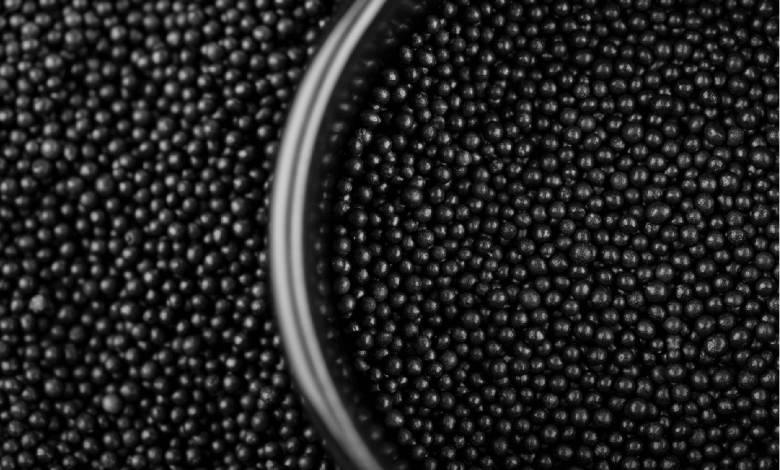
As the food and beverage industry continuously strives for sustainability, food safety, and improved product quality, innovative solutions like Biochar offer significant potential. Beyond its common use in agriculture and energy production, biochar has emerged as a beneficial ingredient in food preservation, water purification, and waste reduction. In this post, we’ll delve into how biochar is practically applied in the food and beverage industry, highlighting its unique benefits, practical usage, and potential for sustainability.
What is Biochar?
Biochar is a carbon-rich, porous material created by pyrolyzing biomass such as wood, agricultural residues, or plant matter in an oxygen-limited environment. Its high surface area, absorptive capacity, and stability make it highly versatile, suitable for multiple applications in the food and beverage sector.
Applications of Biochar in Food & Beverage Industry
1. Purification and Filtration
Biochar is increasingly recognized as an effective natural filter due to its porous structure and adsorption properties.
- Drinking Water Purification:
Biochar effectively removes contaminants such as heavy metals, organic pollutants, chlorine, and harmful microorganisms, ensuring safer, cleaner drinking water. - Beverage Processing:
It can be used as an environmentally friendly method for filtering impurities and enhancing taste quality in beverages, including juices, wines, and beers.
2. Food Preservation
Biochar helps control moisture and microbial activity, crucial factors in extending food shelf life and maintaining food quality.
- Moisture Control:
By regulating humidity, biochar reduces spoilage, mold growth, and bacterial contamination in stored foods, fruits, vegetables, and grains. - Packaging Applications:
Incorporating biochar into packaging materials or storage containers helps maintain ideal humidity and freshness, reducing food waste.
3. Waste Management
Biochar plays a role in sustainable waste management within the industry.
- Wastewater Treatment:
Biochar effectively treats food processing wastewater by absorbing organic pollutants and nutrients, significantly reducing the environmental footprint of food processing plants.
Key Benefits of Using Biochar in Food & Beverage
Biochar offers several practical advantages within the food and beverage industry:
1. Improved Food Safety
Its powerful adsorption qualities minimize food contamination risks by removing harmful bacteria, toxins, and pollutants.
2. Enhanced Product Quality
Biochar purification improves taste, odor, and overall quality of beverages, enhancing consumer satisfaction and product value.
3. Sustainability and Environmental Responsibility
Biochar-based filtration and preservation reduce the reliance on synthetic chemicals and plastic packaging, helping brands achieve environmental goals and sustainability certifications.
4. Cost Efficiency
Long-lasting and effective, biochar filters and preservation methods provide cost-effective alternatives to traditional industrial purification and preservation methods.
How Biochar is Practically Integrated
The food and beverage industry integrates biochar in practical ways, such as:
- Water Filters:
Incorporating biochar into filtration systems or cartridges for both industrial and commercial use. - Packaging Inserts:
Including biochar-infused pads or sachets inside food packaging to regulate humidity and enhance product shelf life. - Direct Food Preservation:
Adding biochar directly to food storage containers or facilities to reduce spoilage and microbial growth.
Challenges and Considerations
Although biochar offers promising advantages, several considerations should be noted:
- Quality Assurance:
Selecting high-quality, food-grade biochar that complies with regulatory standards is essential. - Application Specificity:
Optimal usage and dosage vary significantly between applications, requiring careful experimentation and expert consultation.
Future Prospects in the Food & Beverage Industry
As awareness of sustainable practices and food safety increases, biochar’s role in the food and beverage industry is likely to expand significantly. Continuous research, technological advancements, and increased consumer demand for eco-friendly solutions will support wider adoption, driving industry-wide sustainability initiatives.
Conclusion: Enhancing Sustainability and Quality with Biochar
Biochar is more than just a soil enhancer—it’s a powerful, multifunctional tool capable of revolutionizing the food and beverage industry. From purification to preservation, biochar offers sustainable, effective solutions that help enhance product quality, improve consumer safety, and significantly reduce environmental impacts.
Choose biochar—transform your products, protect consumers, and advance sustainability!
