Biochar in Forestry & Land Reclamation: Restoring Soil, Reviving Ecosystems
Discover how biochar improves soil fertility, prevents erosion, and accelerates forest and land recovery. Learn how this sustainable solution supports reforestation and ecological restoration.

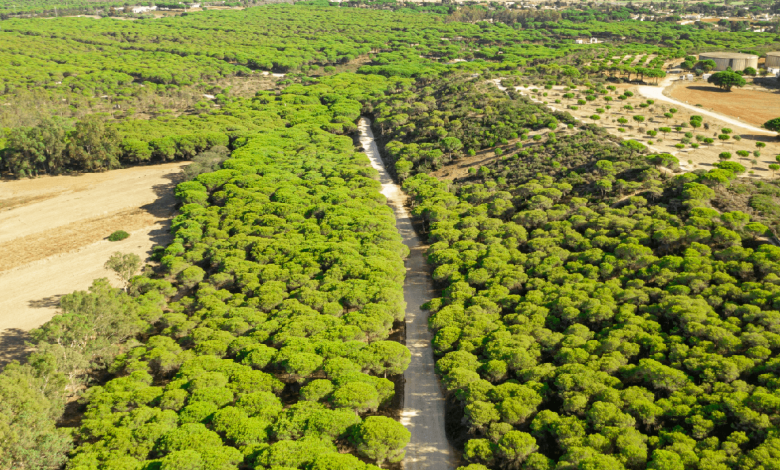
Forestry and land reclamation face significant challenges, such as degraded soil, deforestation, and environmental disturbances. To combat these challenges effectively, sustainable and innovative solutions like Biochar are becoming increasingly essential. Biochar’s remarkable properties help restore soil fertility, control erosion, and revitalize ecosystems, playing a pivotal role in successful forestry and land reclamation projects. This blog will explore practical applications, usage methods, and key benefits biochar provides to these critical environmental industries.
Understanding Biochar
Biochar is a stable, carbon-rich charcoal produced by heating organic biomass (such as wood residues, crop wastes, or forest litter) under low-oxygen conditions, known as pyrolysis. With its porous structure, high carbon content, and ability to retain nutrients, biochar is a powerful material for restoring damaged or degraded soils and ecosystems.
Applications of Biochar in Forestry and Land Reclamation
Biochar offers several practical applications, particularly valuable in forest restoration and land reclamation:
1. Soil Fertility Restoration
Biochar is highly effective in revitalizing degraded soil conditions, such as post-wildfire areas, mining sites, or deforested lands.
- Enhanced Nutrient Retention:
Biochar’s porous nature helps retain essential nutrients and water, significantly improving soil fertility and promoting rapid plant recovery. - Microbial Growth Support:
Biochar fosters beneficial soil microorganisms, revitalizing ecosystem functions and accelerating soil recovery processes.
2. Erosion Control
By improving soil structure and stability, biochar plays a crucial role in erosion control, critical to successful reforestation and reclamation efforts.
- Soil Stability:
Biochar’s porous structure improves soil cohesion and reduces runoff, preventing erosion on slopes, riverbanks, and sensitive environmental areas. - Rapid Vegetation Establishment:
Biochar supports rapid root growth and plant establishment, essential for stabilizing soils and mitigating erosion risks.
3. Reforestation and Afforestation Projects
Biochar significantly increases survival and growth rates of seedlings in reforestation and afforestation efforts.
- Improved Seedling Survival:
By enhancing nutrient and water availability, biochar promotes higher survival rates of newly planted trees, reducing project costs and timelines. - Enhanced Growth Rates:
Trees and plants grown with biochar typically exhibit faster growth, stronger root systems, and greater resilience to environmental stressors.
Key Benefits of Using Biochar in Forestry & Land Reclamation
Incorporating biochar into forestry and land reclamation projects offers substantial advantages:
1. Accelerated Ecosystem Recovery
Biochar rapidly restores degraded soils and fosters the re-establishment of vegetation, supporting faster recovery of ecosystems following environmental disturbances like wildfires, mining activities, or deforestation.
2. Carbon Sequestration and Climate Benefits
Biochar actively sequesters carbon underground for long periods, providing a powerful tool to combat climate change and support global sustainability goals.
3. Reduced Environmental Impact
Using biochar minimizes reliance on chemical fertilizers and soil stabilizers, creating environmentally friendly practices that align with ecological and sustainability standards.
4. Long-term Soil Health and Productivity
Biochar provides sustained soil health improvements, ensuring long-term productivity and resilience for restored forests and reclaimed lands.
Practical Integration of Biochar in Forestry and Land Reclamation
Forestry and reclamation projects practically integrate biochar through:
- Direct Soil Application:
Biochar is directly mixed into soil during planting or seeding, significantly enhancing immediate and long-term plant growth. - Seedling Treatments:
Using biochar in nursery potting mixes or root treatments greatly increases seedling resilience and transplant success. - Erosion Control Measures:
Applying biochar-infused mulch or erosion control blankets stabilizes slopes and vulnerable soils, rapidly improving vegetative cover.
Challenges and Considerations
Though highly beneficial, integrating biochar requires considering several factors:
- Quality Assurance:
Selecting high-quality biochar ensures consistent, predictable performance, crucial in sensitive forestry and reclamation projects. - Optimal Application Rates:
Determining appropriate biochar dosages and application methods ensures maximum effectiveness without oversaturation. - Cost Management:
Balancing upfront costs against long-term ecological benefits and project outcomes requires careful planning and budgeting.
Future Prospects for Biochar in Forestry & Reclamation
As global emphasis shifts toward ecological restoration, sustainability, and climate action, biochar is poised to become increasingly vital in forestry and land reclamation practices worldwide. Ongoing research, innovative applications, and policy support will further enhance biochar’s role in restoring landscapes and combating environmental degradation.
Conclusion: Biochar—A Tool for Ecological Restoration and Sustainability
Biochar is much more than a soil amendment; it is a transformative solution with profound implications for ecological restoration, forestry recovery, and land reclamation. Its practical applications and long-term benefits provide invaluable support to restoration projects worldwide, ensuring healthier ecosystems, stable soils, and sustainable environmental outcomes.
Adopt biochar in your forestry and land reclamation projects—restore landscapes, stabilize soils, and revitalize ecosystems sustainably.


