Biochar in Horticulture: Cultivating Growth and Sustainability
Discover how biochar enhances soil health, improves water retention, and promotes stronger plant growth. Learn how this eco-friendly soil amendment supports sustainable horticulture.

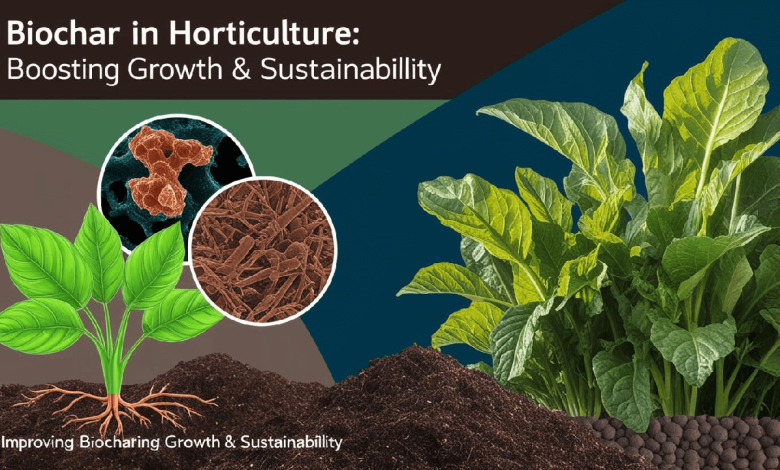
The horticulture industry continually seeks innovative, sustainable solutions to improve plant health, boost productivity, and minimize environmental impact. Biochar, a carbon-rich soil amendment created from biomass, is emerging as a revolutionary tool in horticulture. In this blog, we’ll explore the practical applications, usage methods, and significant benefits that biochar offers to horticulture—transforming gardens, orchards, nurseries, and greenhouses.
Understanding Biochar
Biochar is a highly porous charcoal-like substance produced through a process called pyrolysis, where organic biomass (such as wood chips, agricultural residues, or green waste) is heated in a low-oxygen environment. The result is a stable, carbon-rich material that enhances soil fertility, supports plant health, and delivers lasting environmental benefits.
Applications of Biochar in Horticulture
Biochar is highly versatile and can significantly improve various horticultural practices:
1. Soil Amendment and Conditioner
Biochar is widely used to enhance soil quality in gardens, greenhouses, and orchards by:
- Increasing moisture retention: Biochar helps soil retain water, reducing watering frequency and improving drought resilience.
- Enhancing nutrient retention: Its porous structure helps hold nutrients and gradually releases them to plants, reducing the need for fertilizers.
- Improving soil structure: Biochar reduces soil compaction, enhances aeration, and encourages beneficial microorganisms, fostering healthier root systems.
2. Potting Mixes and Container Gardening
Integrating biochar into potting mixes provides significant advantages:
- Better drainage and aeration: Ideal for container plants, biochar prevents waterlogging and root diseases.
- Long-term nutrient management: Reduces fertilizer use, improves plant health, and promotes steady growth over longer periods.
3. Nursery and Seedling Production
Biochar dramatically improves nursery operations and seedling cultivation by:
- Promoting stronger seedlings: It encourages robust root development and faster germination.
- Reducing transplant shock: Plants grown with biochar experience fewer setbacks during transplantation.
Key Benefits of Using Biochar in Horticulture
Biochar offers horticulturalists multiple practical benefits, including:
1. Increased Plant Growth and Yield
Horticulture crops, ornamental plants, fruits, and vegetables grown with biochar consistently demonstrate improved growth rates, higher yields, and enhanced plant vitality.
2. Reduced Fertilizer and Water Usage
By retaining nutrients and water, biochar significantly reduces the need for chemical fertilizers and irrigation, resulting in cost savings and sustainable resource management.
3. Enhanced Disease Resistance
Biochar’s ability to create a balanced soil microbiome helps plants resist common horticultural diseases and reduces the reliance on chemical treatments.
4. Sustainable and Eco-Friendly Practices
Biochar promotes carbon sequestration, helps reduce greenhouse gases, and transforms waste biomass into beneficial horticultural inputs—contributing directly to sustainability objectives.
How to Apply Biochar Effectively in Horticulture
Practical ways horticulturalists can integrate biochar include:
- Mixing with Potting Soil: Blend biochar with potting soil or compost for container gardening or nursery plants.
- Direct Soil Incorporation: Apply directly to garden beds or planting sites, especially when preparing new plantings.
- Root Zone Application: Place biochar near the root zone of established plants to enhance nutrient uptake.
Things to Consider When Using Biochar
While biochar has tremendous potential, a few points should be considered:
- Application Rates: Proper dosage is essential. Excessive application can alter soil pH, impacting nutrient availability.
- Quality and Standards: Using certified or high-quality biochar ensures consistent results and optimal benefits.
- Integration Time: Biochar often yields optimal results over time, gradually improving soil quality with continued use.
Future Prospects for Biochar in Horticulture
As sustainability becomes central in agriculture and horticulture, biochar adoption is rapidly growing. Research continues to highlight its benefits, driving greater awareness and use in nurseries, greenhouses, and gardens worldwide. With continuous advancements, biochar is set to become a key component in sustainable horticultural practices globally.
Conclusion: Transform Your Garden with Biochar
Biochar represents a powerful tool for cultivating sustainability and improving plant growth in horticulture. It delivers remarkable soil enhancement, disease resistance, and sustainability benefits, creating a vibrant and resilient environment for plants to flourish.
Whether you’re a commercial grower, landscaper, nursery manager, or home gardener, biochar provides practical, proven advantages that contribute to a healthier garden—and a healthier planet.
Grow sustainably. Cultivate wisely. Use Biochar.


