Evaluating Biochar's Potential in Livestock Farming: Impacts on Animal Health and Methane Emissions
Assessing the efficacy of biochar as a feed additive in livestock diets, focusing on animal health benefits and its role in mitigating methane emissions.

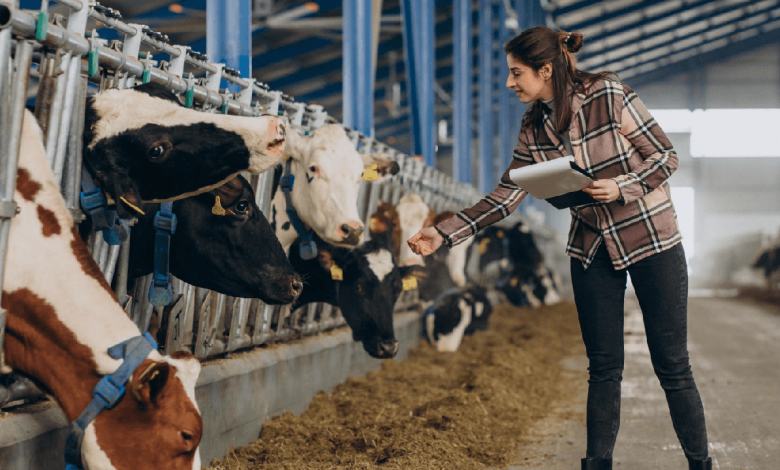
The agricultural sector continually seeks sustainable practices to enhance productivity and mitigate environmental impacts. One such practice under investigation is the incorporation of biochar—a carbon-rich product derived from organic materials—into livestock feed. This approach aims to improve animal health and reduce methane emissions, a potent greenhouse gas associated with ruminant digestion.
Biochar as a Feed Additive: Potential Benefits
Biochar’s porous structure and adsorptive properties have led researchers to explore its use in animal nutrition. Potential benefits include:
- Improved Feed Efficiency: Some studies suggest that biochar supplementation may enhance nutrient absorption, leading to better feed conversion ratios.
- Enhanced Animal Health: Biochar’s ability to bind toxins could reduce the incidence of certain diseases, promoting overall livestock well-being.
Methane Emissions Reduction: Mixed Findings
Enteric fermentation in ruminants produces methane, contributing significantly to agricultural greenhouse gas emissions. Biochar has been proposed as a mitigation strategy; however, research outcomes are varied:
- Ineffectiveness in Methane Reduction: A Swiss study involving dairy cows found that biochar supplementation did not decrease methane emissions nor improve animal performance.
- Variable Results: Research indicates inconsistent effects of biochar on rumen methanogenesis, with outcomes influenced by biochar type, source material, and administration methods.
Alternative Strategies for Methane Mitigation
Given the mixed results with biochar, other feed additives have been explored:
- Asparagopsis Taxiformis (Red Seaweed): Inclusion of this seaweed in cattle diets has demonstrated methane emission reductions of up to 80%.
- Bovaer: This feed additive has been shown to decrease methane emissions by approximately 30% in dairy cows and 45% in beef cattle.
Conclusion
While biochar presents potential benefits as a feed additive, particularly concerning animal health, its efficacy in reducing methane emissions remains inconclusive. Further research is necessary to fully understand its role and optimize its use in livestock farming. Meanwhile, alternative additives like Asparagopsis taxiformis and Bovaer offer promising methane mitigation strategies.
Sources: