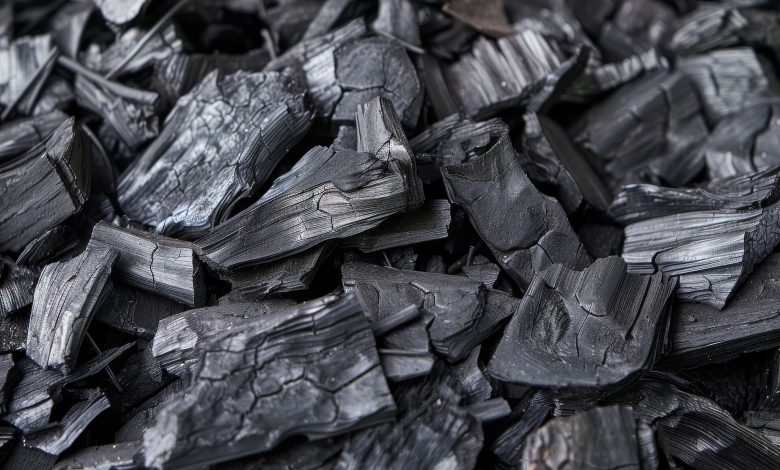
In the race against climate change, one technology has emerged as an unexpected frontrunner in the carbon dioxide removal (CDR) sector. Biochar, a carbon-rich material created through the pyrolysis of organic waste, is experiencing unprecedented growth and recognition as a leading solution for atmospheric carbon removal. Recent market reports and scientific studies reveal that this seemingly simple technology is not just growing—it’s dominating the carbon removal landscape.
The Numbers Tell an Extraordinary Story
The biochar industry’s growth trajectory is nothing short of remarkable. In 2023, the global biochar market reached a milestone value of $600 million, representing an astounding 91% compound annual growth rate (CAGR) from 2021. Industry projections suggest this momentum will continue, with the market expected to soar to nearly $3.3 billion by 2025.
But perhaps more impressive than the financial figures is biochar’s dominance in actual carbon removal delivery. According to recent data, biochar accounts for over 90% of all delivered carbon removal credits, making it the undisputed leader in the CDR sector. This dominance isn’t just about quantity—it’s about proven effectiveness and market readiness.
Why Biochar is Winning the Carbon Removal Race
Several factors contribute to biochar’s leading position in the carbon removal market:
Cost Effectiveness: Biochar currently stands out as the most economical CDR technology available, with costs ranging from $80-200 per ton of CO2 removed. This competitive pricing stems from its moderate capital requirements, low energy needs, and mature technology readiness levels.
Immediate Impact: Unlike other carbon removal technologies that require extensive development, biochar is “shovel-ready.” The technology leverages existing pyrolysis processes and can be deployed immediately, delivering measurable climate impact without waiting for technological breakthroughs.
Dual Benefits: Biochar offers unique co-benefits beyond carbon removal. When applied to soil, it enhances agricultural productivity, improves water retention, and increases nutrient availability. Studies show that biochar can boost crop yields by 10-42%, creating economic value for farmers while sequestering carbon.
Scientific Validation: Recent scientific assessments estimate that biochar systems have the potential to remove between 2.6-10.3 Pg CO2 equivalent per year globally. This represents up to 6% of global emissions annually, positioning biochar as a technology capable of meaningful climate impact at scale.
Corporate Investment Drives Market Growth
Major corporations are recognizing biochar’s potential and investing heavily in the technology. Shopify, for example, invested $36.3 million in carbon removal technologies in 2024, with biochar projects representing a significant portion of this investment. The e-commerce giant supported four innovative biochar companies:
- Applied Carbon: Developing mobile biochar solutions integrated with crop production in Texas
- BIOSORRA: Creating biochar from agricultural waste
- MASH Makes: Producing biochar while supporting farmers
- Planboo: Converting bamboo waste into biochar
These investments demonstrate how forward-thinking companies are using biochar to meet their sustainability goals while supporting the technology’s scaling efforts.
Scaling Toward Gigaton Impact
The biochar industry has set an ambitious goal: achieving one gigaton of carbon removal by 2040. This target, while aggressive, appears increasingly achievable given current growth trajectories and technological advances. With current production rates of at least 350,000 metric tonnes annually and rapid expansion underway, the industry is building the foundation for massive scale.
Recent research published in Communications Earth & Environment provides strong evidence for biochar’s gigaton-scale climate mitigation potential, validating the industry’s ambitious targets with rigorous scientific analysis.
Overcoming Challenges for Continued Growth
Despite its impressive growth, the biochar industry faces several challenges that must be addressed for sustained expansion:
Market Development: Creating high-volume, high-value markets for biochar remains a priority. While carbon credits provide important revenue streams, developing robust demand for biochar as a agricultural and industrial input is crucial for long-term sustainability.
Standardization: The industry needs consistent standards for biochar production, quality, and carbon accounting to ensure reliability and build market confidence.
Geographic Expansion: Currently, over 80% of medium and large-scale biochar manufacturers are concentrated in North America. Expanding production capacity in Asia-Pacific, Europe, and other regions will be essential for global impact.
Feedstock Availability: Scaling to gigaton levels will require sustainable access to diverse biomass feedstocks without competing with food production or natural ecosystems.
The Road Ahead: A Technology Ready for Prime Time
As climate urgency intensifies and the world seeks proven carbon removal solutions, biochar stands uniquely positioned to deliver immediate impact at scale. The convergence of strong market growth, scientific validation, corporate investment, and regulatory support creates an unprecedented opportunity for biochar to lead the carbon removal revolution.
The technology’s ability to address multiple challenges simultaneously—climate change, soil degradation, waste management, and agricultural productivity—makes it an attractive solution for diverse stakeholders. As we move through 2025 and beyond, biochar’s role in global climate strategy will likely expand significantly, driven by its proven effectiveness, economic viability, and immediate availability.
For investors, policymakers, and environmental advocates, biochar represents more than just another climate technology—it’s a comprehensive solution that’s already delivering results and positioned for exponential growth. The ancient practice of creating charcoal has evolved into a modern climate solution, and the numbers suggest this evolution is just beginning.