Innovative Uses of Biochar in Construction Materials: Paving the Way for Sustainable Building Practices
Exploring how biochar is incorporated into building materials to enhance sustainability, reduce carbon footprints, and improve structural properties.

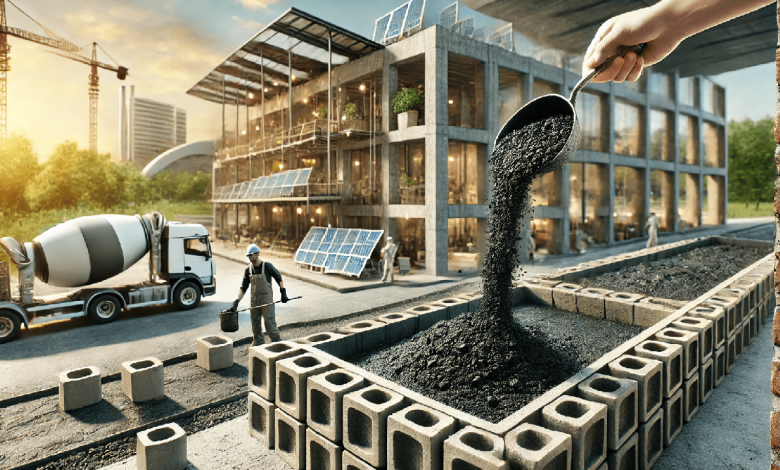
The construction industry is undergoing a transformative shift towards sustainability, with biochar emerging as a promising material to enhance the environmental performance of building materials. Derived from the pyrolysis of organic waste, biochar offers unique properties that can be leveraged to create more sustainable and resilient construction materials.
Enhancing Concrete with Biochar
Integrating biochar into concrete mixtures has been shown to improve various structural properties:
- Strength and Durability: Incorporating biochar into concrete can enhance its mechanical properties. For instance, a 2% weight concentration of biochar has been shown to increase concrete’s flexural strength by 15% after seven days, compared to traditional Portland cement concrete.
- Carbon Sequestration: Biochar’s carbon-rich composition contributes to carbon sequestration when used in construction materials, aiding in the reduction of greenhouse gas emissions.
Applications in Asphalt and Insulation
Beyond concrete, biochar is finding applications in other construction materials:
- Asphalt Modification: Adding biochar to asphalt mixtures can enhance durability and heat resistance, leading to longer-lasting road surfaces.
- Insulation Materials: Due to its porous structure, biochar can be utilized in insulation products, offering benefits such as improved thermal regulation and humidity control.
Environmental and Economic Benefits
The integration of biochar into construction materials presents both environmental and economic advantages:
- Resource Efficiency: Utilizing biochar derived from agricultural or forestry waste promotes resource efficiency and waste valorization.
- Carbon Footprint Reduction: Biochar’s ability to sequester carbon contributes to lowering the overall carbon footprint of construction projects.
Challenges and Future Directions
Despite its potential, the widespread adoption of biochar in construction faces challenges:
- Water Absorption: Biochar’s inherent porosity can lead to increased water absorption in concrete, potentially affecting durability. Ongoing research aims to address this issue to optimize biochar’s performance in construction applications.
- Standardization: Establishing standardized guidelines for biochar production and its incorporation into construction materials is essential to ensure consistent quality and performance.
Conclusion
The innovative use of biochar in construction materials signifies a significant step towards sustainable building practices. By enhancing material properties and contributing to carbon sequestration, biochar holds the potential to revolutionize the construction industry, aligning it with global sustainability goals.
Sources:
- Biochar as construction materials for achieving carbon neutrality
- Biochar-concrete: A comprehensive review of properties, production, and sustainability
- Is biochar suitable as a construction material?
- Biochar for sustainable construction industry
- Reducing the carbon footprint of buildings using biochar-based materials
- Biochar: Revolutionizing the Construction Industry with Sustainability
- Biochar: The Miracle Material For a Sustainable World
- Biochar
- Bio-based building materials
- Biochar carbon removal