Biochar Market Growth: Growth Driven by Sustainability, Agriculture and Policy Support


The global biochar market is experiencing robust growth, fuelled by demand for sustainable solutions, expanding agricultural applications and favourable biochar support policies. As a highly carbon concentrated, organic material, containing approximately 70% carbon, biochar offers multiple environmental and economic benefits. Consequently, biochar has become a key player in the transition towards a circular, more sustainable economy, with this forecast to continue.
Biochar, has a unique ability to enhance soil health, sequester carbon and reduce environmental footprints. All whilst supporting sustainable, regenerative farming. This has driven its adoption across a multitude of different industries on a global scale. Generally, woody based feedstock and pyrolysis technology are leading production markets.
Biochar Applications Across Industries:
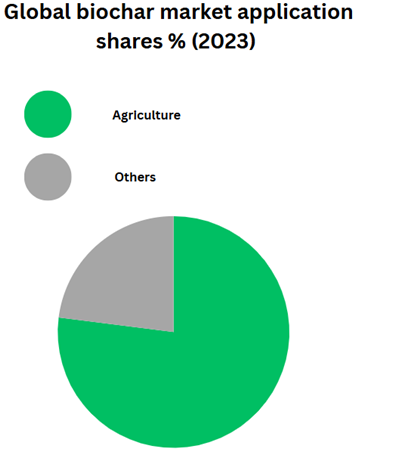
- Agriculture – agricultural applications are dominating the revenue shares with over 77% in 2023. This is set to continue going forward. Agricultural applications for biochar are essential as more farmers transition to organic farming and organic fertiliser usage. Its capacity to retain soil nutrients (nitrate, phosphorus), improve soil fertility and crop productivity, whilst improving soil structure and moisture retention especially in degraded soils, have all contributed to its demand within this sector.
- Power and energy – biochar’s role in biomass gasification, contributes to the production of syngas, a renewable and combustible gas. The production of renewable energy, reduces the reliance on fossil fuels. This contributes to mitigating the effects of global warming.
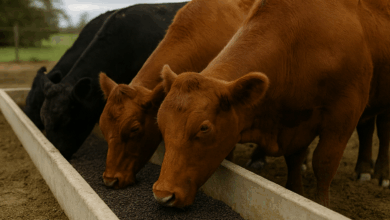
- Livestock – biochar can be incorporated into animal feed to aid digestion and reduce methane emissions. This supports animal health and environmental operations.
- Carbon removal initiatives – as a method of carbon sequestration, biochar can absorb and store carbon for centuries to come. Carbon credits initiate corporate interest, with multinational companies such as, Google, investing in and partnering with biochar suppliers abroad to scale biochar for carbon removal. These new deals aim to purchase 200,000 tons of biochar carbon removal, one of the biggest biochar partnerships agreed.
- Waste management – the conversion of agricultural and forestry waste into biochar supports the circular economy and reduces landfill usage and emissions.
With this and further applications in mind, the biochar market is set to become indispensable in the modern world. Forecasted growth is expected to rise at a compound annual growth rate of just under 14% by 2030, at an estimated value of over $2,000 million by 2032.
https://www.grandviewresearch.com/industry-analysis/biochar-market#question3
Key Market Drivers:
- Demand for biomass-based solutions – rising fuel prices and growing environmental awareness have accelerated the search for renewable energy alternatives. Biochar produced from biomass offers sustainable energy opportunities whilst delivering agronomic benefits.
- Government policy- global iniative to promote sustainable agriculture are fostering market growth. The USA’s USDA Conservation Innovation Grant, supports the adoption of natural resource conservation, while their Investment Tax Credit schemes benefit renewable energy production adopters. EU policies such as the Common Agricultural Policy support biochar integration into organic farming processes. Additionally, policymakers are assessing the potential integration of biochar’s permanent carbon removals in the EU Emissions Trading Scheme. This would allow industries to invest in carbon removal and not only emission reduction. Biochar could then be regarded as a compliance-grade solution that contributes to net-zero goals.
- The demand for organic food production – countries in the Asia Pacific are currently undergoing agricultural development, biochar’s ability to provide organic growth improvement means we can expect these countries to have increased biochar adoption. The area has already led the global market in 2024 with approximately 80% of the total share.
The biochar market is gaining momentum, representing a compelling opportunity at the intersection of sustainability, agriculture, and renewable energy, well-positioned to play a vital role in a greener future. Lack of awareness, technical inefficiencies and supply/scalability issues are the barriers facing its progression, addressing these with ongoing research and support will allow for continued global biochar adoption.