Biochar in Animal Bedding: A Sustainable Solution for Livestock Health and Waste Management

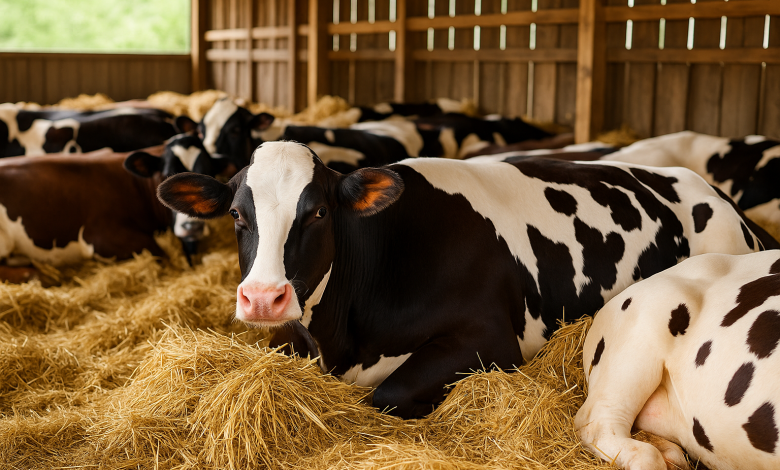
As the agricultural sector continues to seek sustainable and cost-effective practices, biochar has emerged as a promising additive in animal bedding systems. Traditionally known for its role in soil improvement and carbon sequestration, biochar is now gaining recognition for its multifunctional benefits in livestock management. From improving bedding hygiene to reducing odours and enhancing manure quality, the integration of biochar in animal bedding is revolutionizing how farmers care for their animals and manage RMS waste.
What Is Biochar?
Biochar is a form of charcoal produced through the pyrolysis of organic biomass—such as wood chips, crop residues, or manure—under limited oxygen conditions. The resulting material is highly porous and rich in carbon, making it ideal for absorbing moisture, retaining nutrients, and adsorbing gases.
Why Use Biochar in Animal Bedding?
1. Improved Absorption and Hygiene
One of the most immediate benefits of adding biochar to animal bedding is its exceptional moisture-absorbing capacity. Its porous structure helps absorb urine and reduce wet spots, creating a drier, cleaner, and more comfortable environment for animals. This can lead to:
- Lower incidence of hoof problems, mastitis, and respiratory issues, as a result of disease-causing bacteria (streptococci, enterococci etc.) adsorption. As little as 2.5% biochar supplementation can reduce bacteria causing infections.
- Reduced bedding changes and labour costs.
- Less bacterial growth as a result of moisture conditions.
2. Odor and Ammonia Control
Biochar effectively binds urea, ammonia and other volatile organic compounds (VOCs, NH₃ etc.) that are typically released from animal waste. By trapping these gases, it significantly reduces odours and improves air quality, which benefits both animals and farm workers.
3. Enhanced Manure Value
Once saturated, biochar-laden bedding becomes a high-quality organic amendment for fields. It enriches the manure with stable carbon and nutrients, making it more effective as a crop fertilizer. The carbon in biochar also helps sequester CO₂, contributing to climate change mitigation. Using manure as fertiliser is often restricted due to the heavy metals present in manures (arsenic in chicken manure), biochar reduces the availability of these contaminants and increases the product value of both the manure and biochar by reducing it.
4. Microbial Benefits
Biochar can help moderate pH levels in bedding and create a less favourable environment for harmful bacteria. Some studies also suggest it supports beneficial microbial communities, which further enhance animal health and manure decomposition.
Applications in Different Livestock Systems
- Cattle: Applied in deep litter or compost pack systems to reduce moisture and improve composting of manure.
- Poultry: Used in litter to reduce ammonia buildup, control pathogens, and maintain dry flooring.
- Swine: Integrated into bedding or flooring systems in alternative housing models to mitigate odour and improve animal welfare.
- Horses: Added to stalls and run-ins to control urine odour and promote hoof health.
How to Use Biochar in Bedding
- Rate of Application: Typically, biochar is mixed into bedding at 5–20% by volume, depending on the animal type and management goals.
- Particle Size: A range of particle sizes is ideal (5-20mm).
- Compatibility: Biochar can be blended with straw, wood shavings, sawdust, or other conventional bedding materials.
Considerations and Best Practices
- Source Quality: Use biochar from clean, uncontaminated biomass. Avoid biochar produced from treated or painted wood.
- Cost and Supply: While initial costs may be higher than traditional bedding materials, the long-term benefits—including improved manure value and reduced veterinary costs—can offset this.
- Monitor Animal Response: As with any change in bedding, observe animal behaviour and health to ensure the new bedding system is well tolerated.
The use of biochar in animal bedding presents a win-win scenario: improved animal welfare and hygiene, enhanced manure management, and a step toward more sustainable and climate-smart farming. As research continues to validate and optimize its use, biochar is poised to become a staple in progressive livestock operations around the world.